Education
Fire Extinguishers Explained: Fire Types and Classifications in Singapore
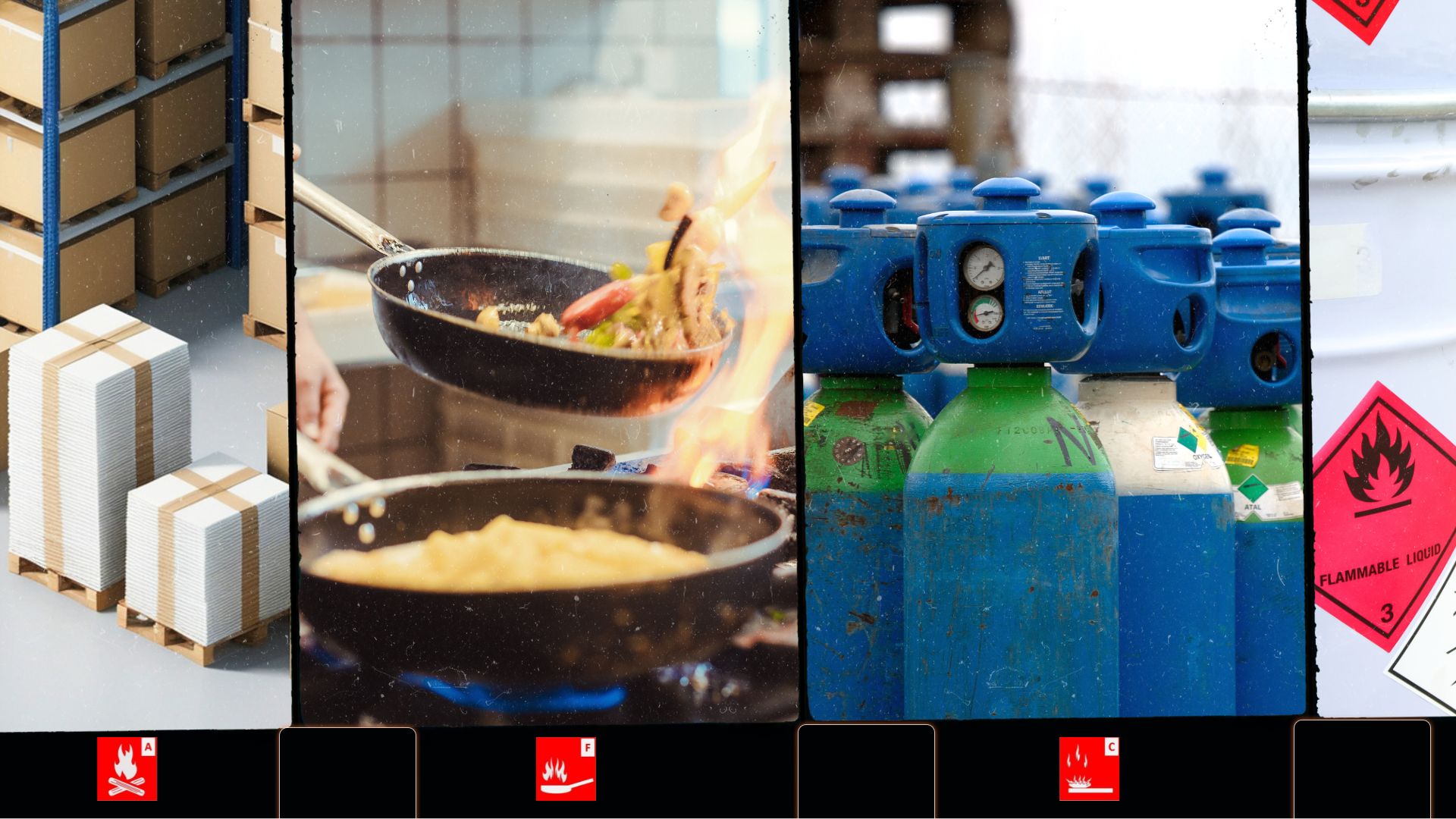
In our previous article, we explained how to read fire extinguisher labels and why they are important. But understanding labels is only one part of fire safety. To choose the correct fire extinguisher, you must first understand the different types of fire and how they are classified.
Not all fires behave the same way. Different materials burn differently, and using the wrong extinguisher can make a fire worse. This is why fire classifications exist — to ensure the correct extinguisher is used for the correct fire risk.
In this guide, we explain the main fire classes in Singapore, how they differ, and why proper extinguisher selection is critical for safety and compliance.
How Fire Types Are Classified
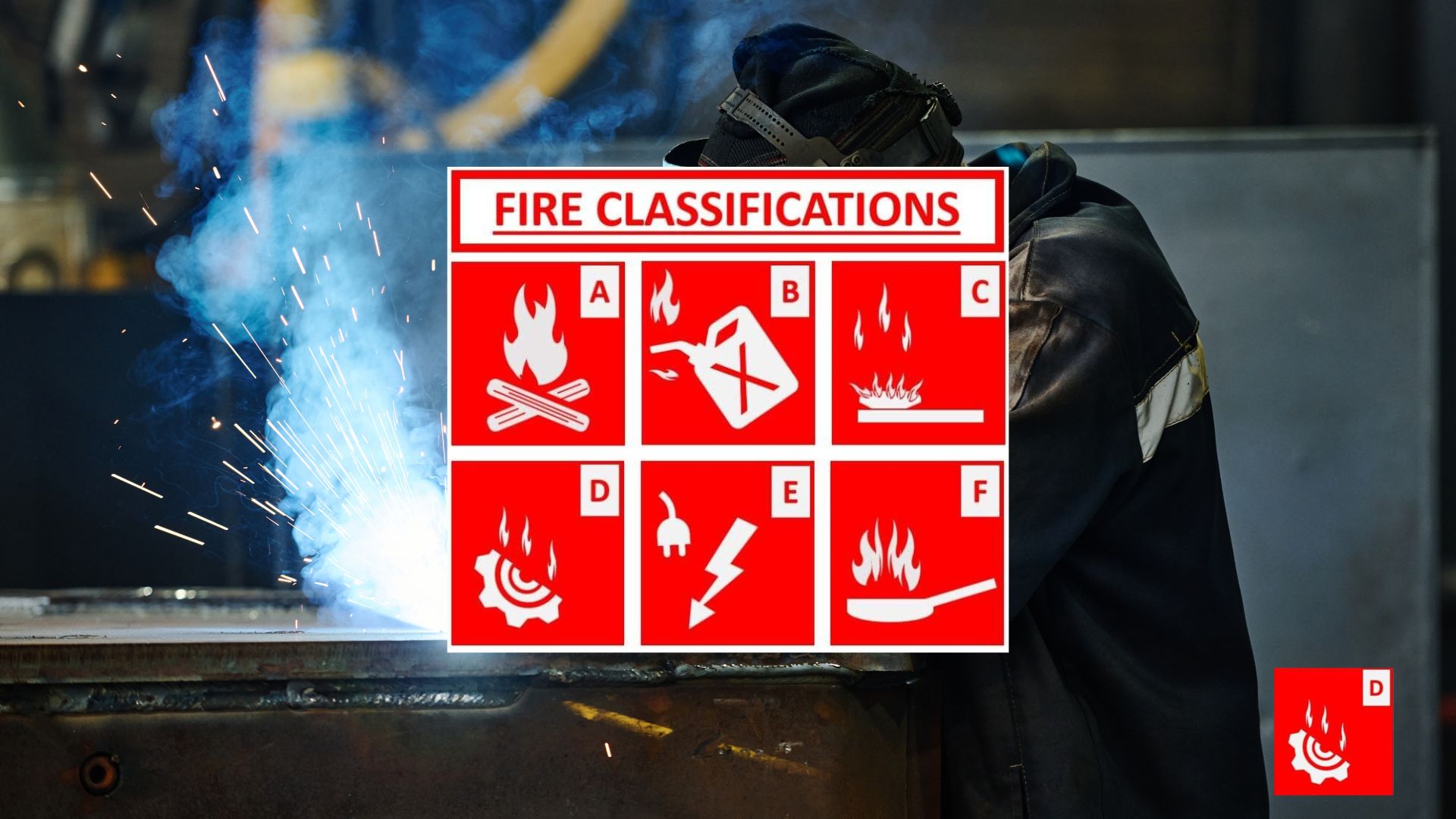
In Singapore, portable fire extinguishers follow SS 578, which aligns with European (EN) fire classification standards. Fires are classified based on what is burning, not where the fire occurs.
The main fire classes are:
Class A – Solid combustibles
Class B – Flammable liquids
Class C – Flammable gases
Class D – Combustible metals
Class F – Cooking oils and fats
You may also see extinguishers labelled as ABC, AB, or BC. These are not separate fire classes. They indicate that the extinguisher is suitable for multiple types of fires.
For example, an ABC fire extinguisher is rated for Class A, Class B, and Class C fires, making it one of the most commonly installed extinguishers in commercial and industrial premises.
Class A Fires: Solid Materials
Common colour bands: Red (Water), Cream (Foam), Blue (Dry Powder)
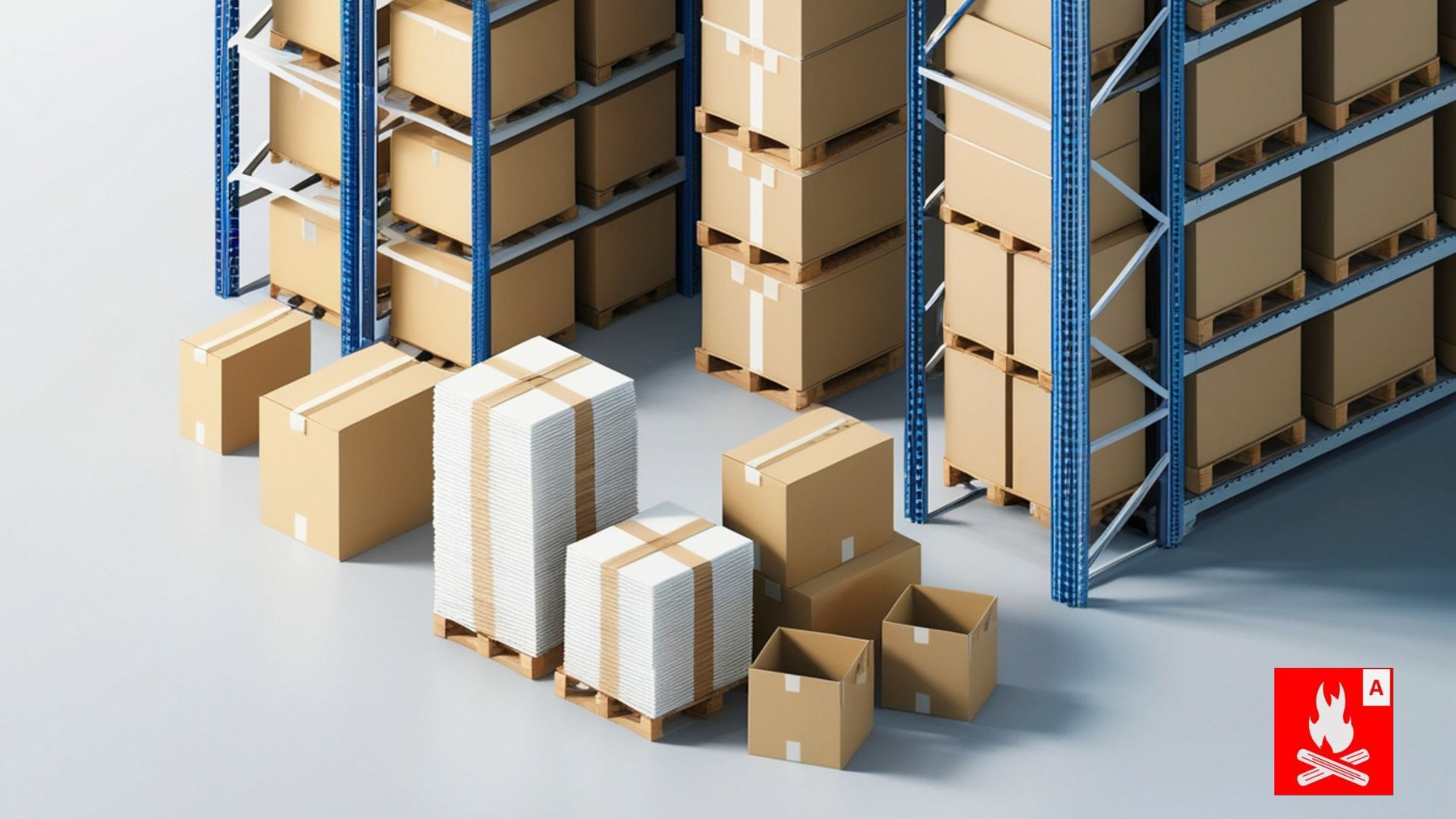
Class A fires involve solid materials that burn and leave ash behind. Examples include:
Paper
Wood
Cardboard
Furniture
Fabrics
These fires are common in offices, residential units, schools, and retail spaces.
The main goal when extinguishing a Class A fire is to cool the burning material or remove oxygen to stop combustion. Water-based extinguishers are often effective because they absorb heat and reduce the temperature of the fuel.
Class B Fires – Flammable Liquids
Common colour bands: Cream (Foam), Blue (Dry Powder), Black (CO₂)
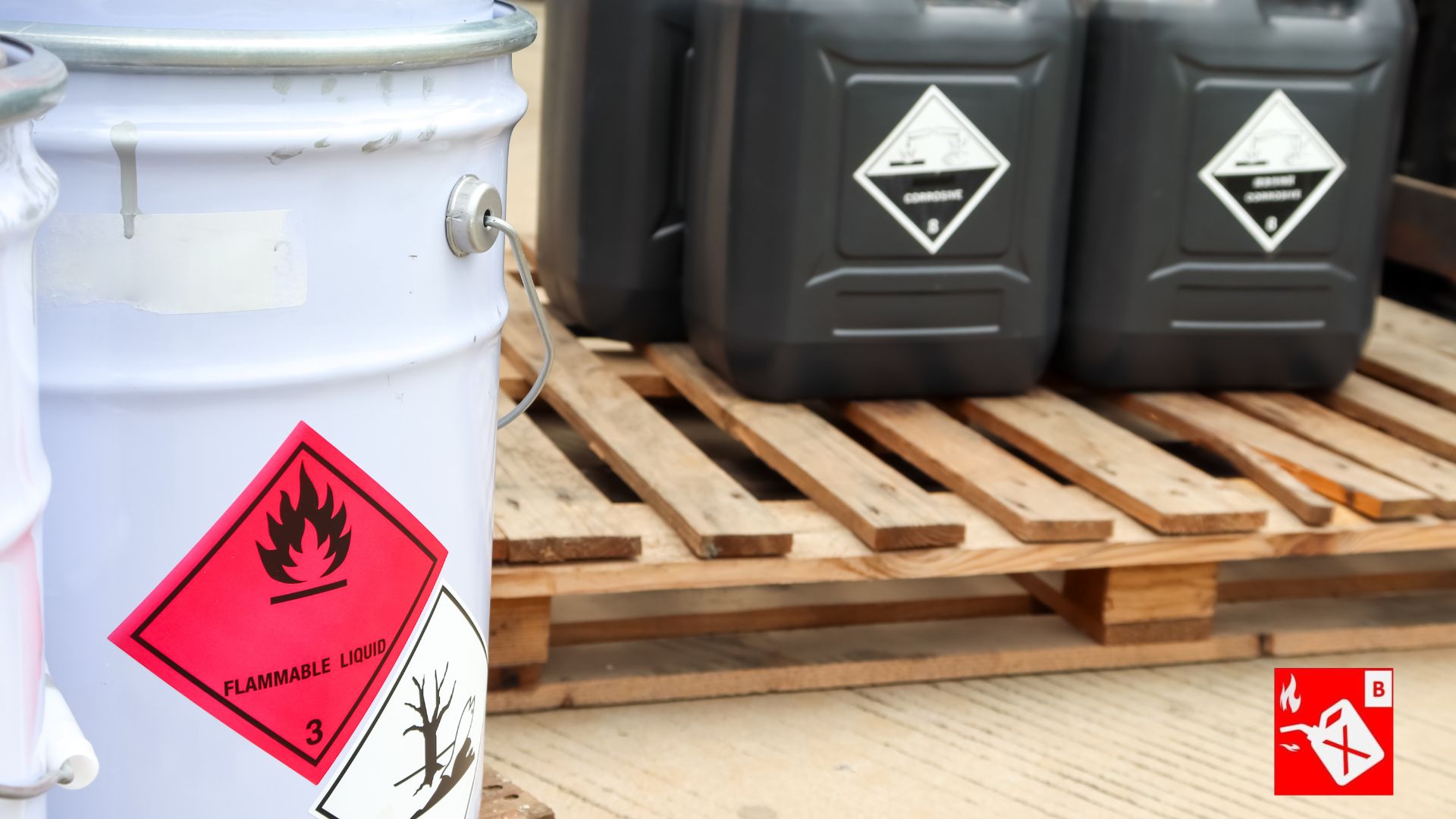
Class B fires involve flammable liquids such as:
Petrol
Diesel
Paints
Thinners
Solvents
Industrial fuels
Unlike solid fires, liquid fires burn at the surface and can spread rapidly. Using water on a flammable liquid fire is dangerous because it may cause the fuel to spread, increasing the fire size.
For Class B fires, the objective is to smother the flames and prevent flammable vapours from feeding the fire. Foam, dry powder, and CO₂ extinguishers are commonly used for these situations.
Class C Fires – Flammable Gases
Common colour bands: Blue (Dry Powder)
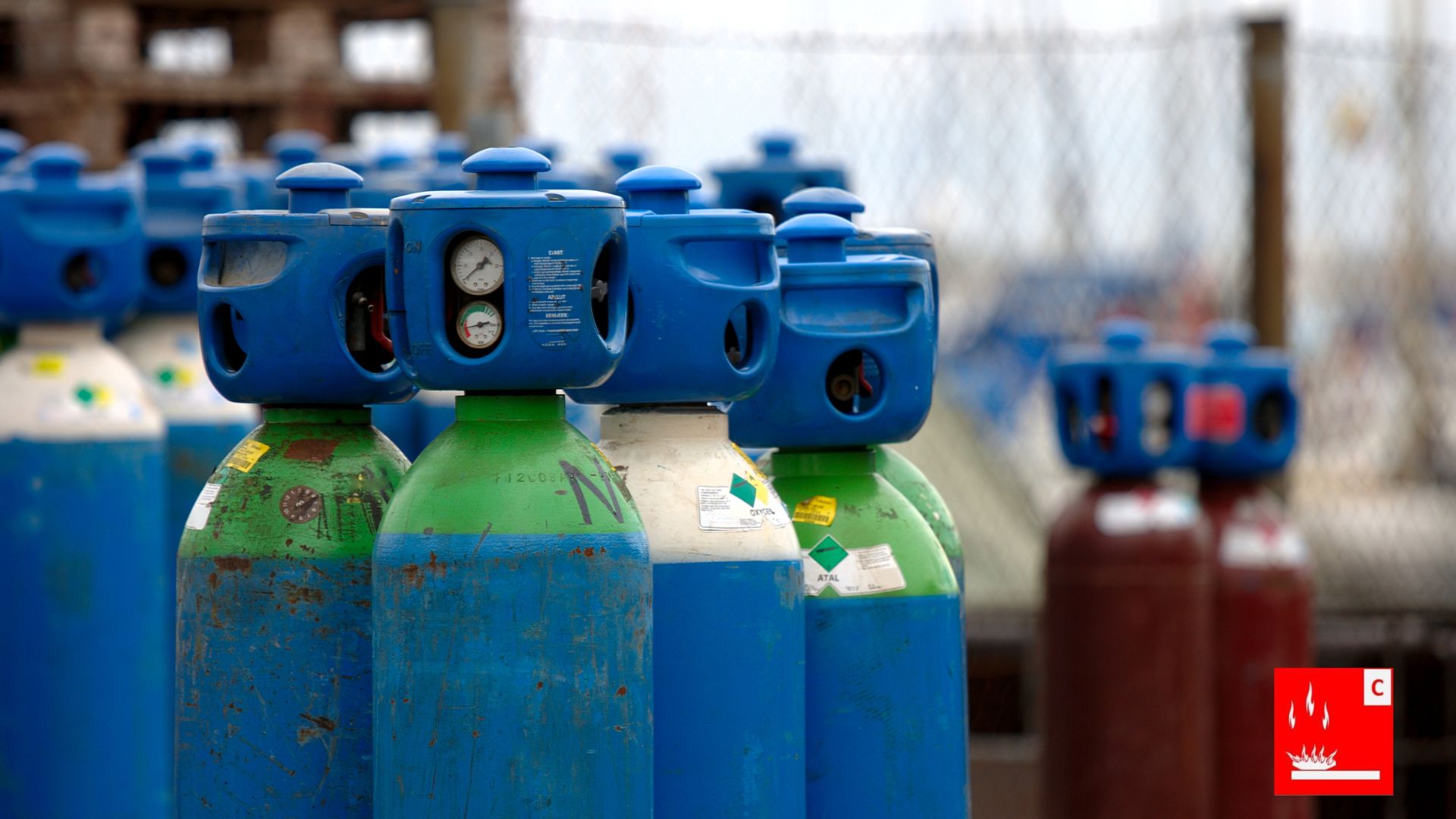
Class C fires involve flammable gases such as:
LPG
Propane
Butane
Natural gas
These fires occur when gas leaks and ignites. Because gas is often under pressure, the flames can be intense.
The first priority in a Class C fire situation is to shut off the gas supply, if it is safe to do so. Dry powder extinguishers are typically used to suppress the flames while isolating the fuel source. Once the gas flow is stopped, the remaining fire should be treated according to nearby burning materials.
Class D Fires – Combustible Metals
Common extinguisher type: Specialist metal fire powder (metal-specific)
Class D fires involve combustible metals such as:
Magnesium
Sodium
Potassium
Aluminium powder
Metal shavings
These fires are usually found in industrial or manufacturing environments rather than homes or offices.
Class D fires behave differently depending on the type of metal involved. Standard extinguishers — including water, foam, or CO₂ — can cause violent reactions and make the fire worse.
Only specialist metal fire powder extinguishers, clearly labelled for the specific metal risk, should be used.
Class F Fires – Cooking Oils and Fats
Common colour band: Yellow (Wet Chemical)
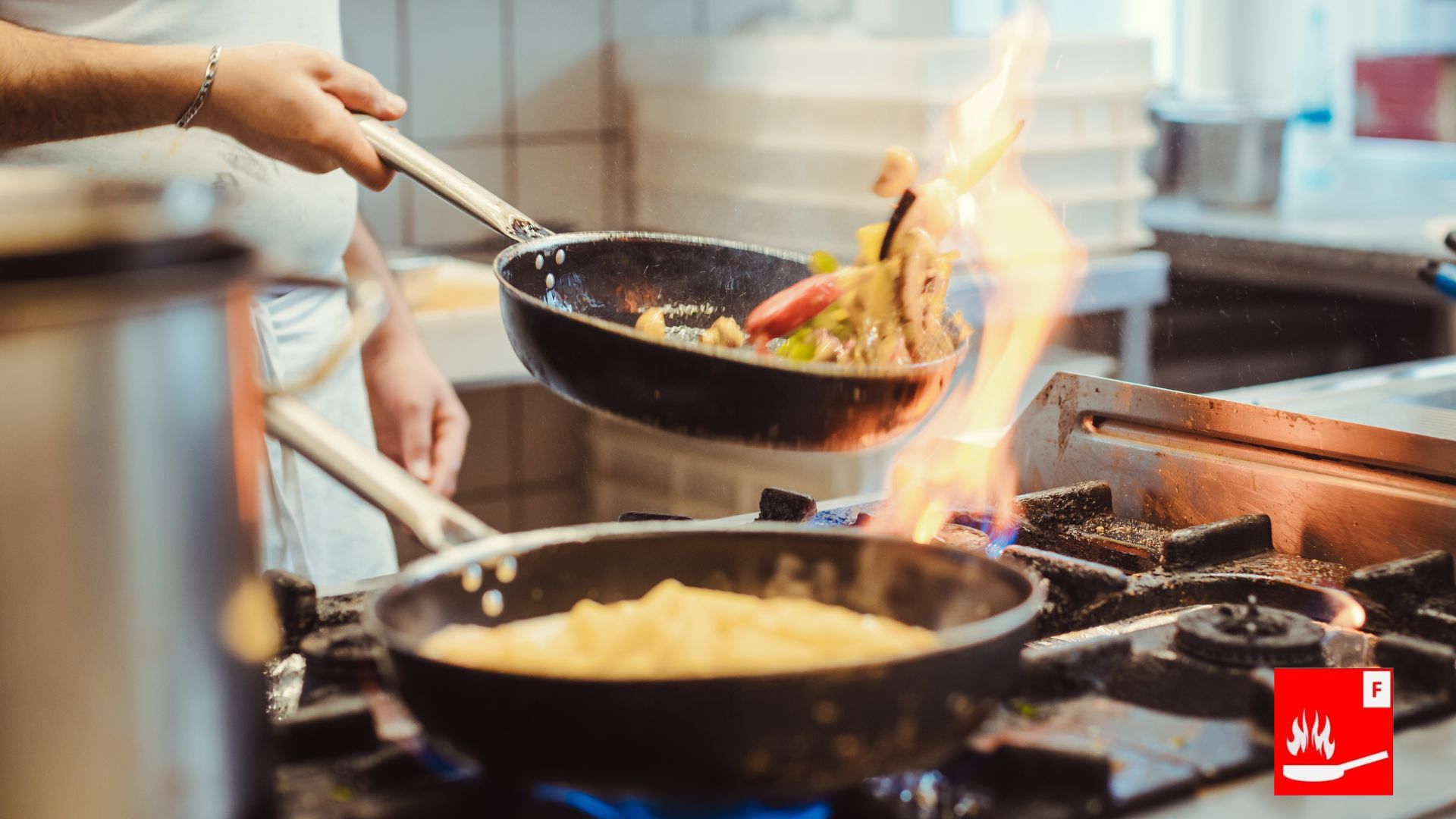
Class F fires involve high-temperature cooking oils and fats, typically found in:
Commercial kitchens
Restaurants
Food processing areas
Home kitchens
Cooking oil fires burn at extremely high temperatures and can re-ignite easily. Pouring water onto burning oil is extremely dangerous and may cause explosive flare-ups.
Wet chemical extinguishers are designed to cool the oil and form a sealing layer over the surface, cutting off oxygen and preventing re-ignition.
Why Choosing the Correct Fire Extinguisher Matters
Understanding fire classifications is not just about compliance with regulations. It directly affects safety.
Using the wrong extinguisher can:
Spread the fire
Cause dangerous reactions
Increase damage to property
Put lives at risk
Selecting the right fire extinguisher for your premises ensures compliance with Singapore fire safety standards, reduces liability, and improves emergency preparedness.
If you are unsure about your fire risks or need guidance on selecting the correct fire extinguishers for your building, our team at Asiatic Fire System Pte Ltd provides professional consultation and site assessment services.
👉 Contact us today for expert advice and fire safety solutions tailored to your needs.