The Fundamentals of CERT Equipment – SCBA
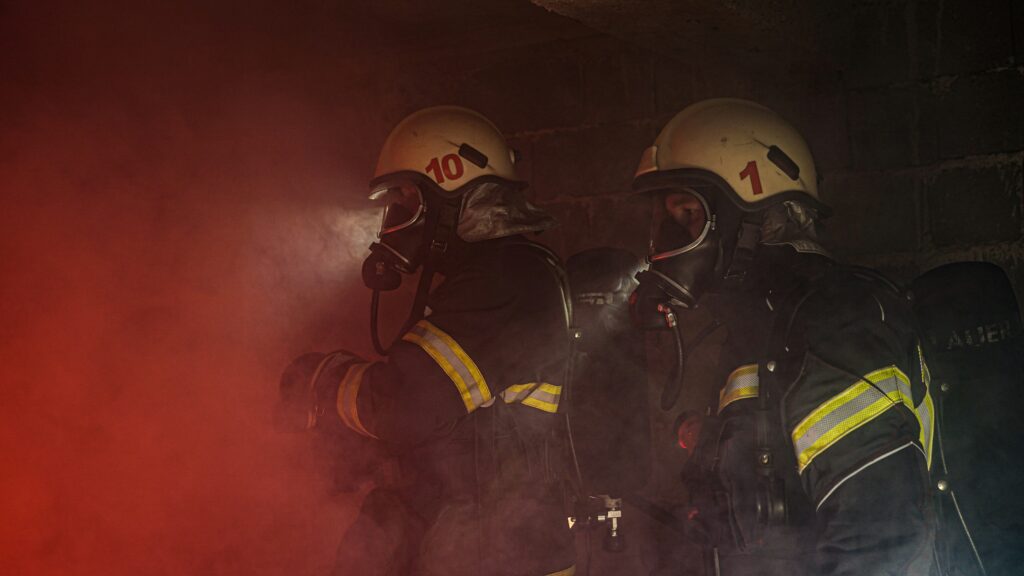
In every emergency, time is the most valuable resource. That’s why the Company Emergency Response Team (CERT) plays such a critical role in Singapore’s fire safety framework. Whether it’s a chemical spill, a fire, or a rescue operation, CERT members are trained to be the first respondents before external help arrives.
Fire Equipment Servicing in Singapore: What’s Required, How Often, and Why It Matters
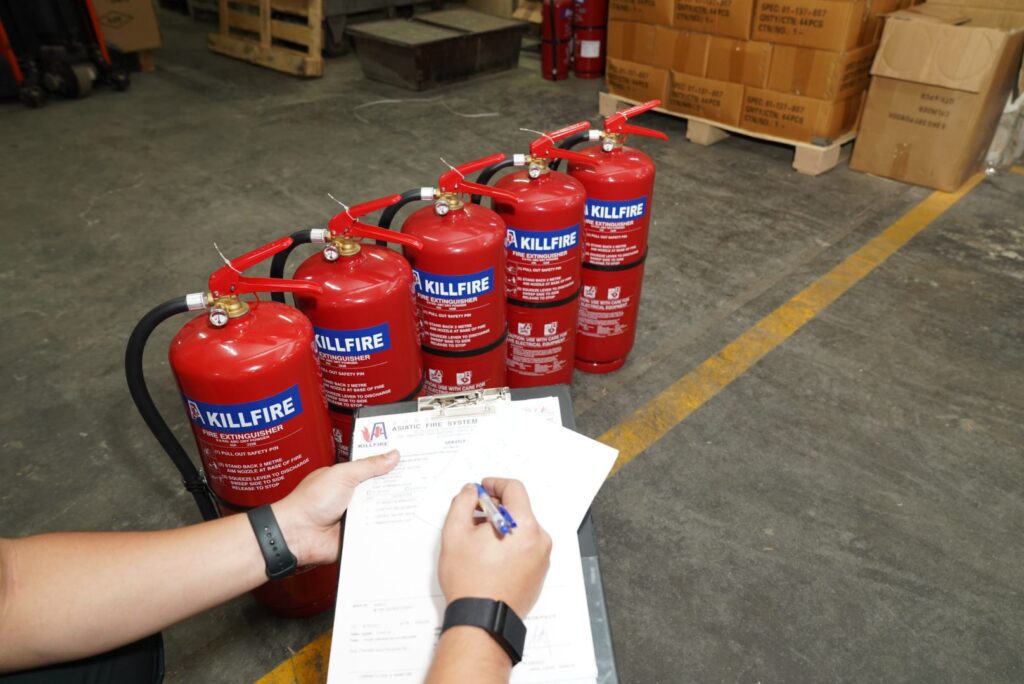
Fire protection equipment can be seen all around us, it lives in the background until the moment they are needed. When they fail, the results can be severe, resulting in injuries, loss of property, business interruption, or worst fatality.
What is a First Fill Station? Why It Matters for Your Fire Suppression System.

With growing regulatory pressure on PFAS chemicals, fire suppression agents like Novec™ 1230 are being phased out globally. In fact, the manufacturer of Novec, 3M, has announced it will cease production by the end of 2025. For facilities all around the globe using clean agent systems, we foresee a wave of system reviews, refills, and replacements.
Navigating Through Marine Fire Protection Approvals
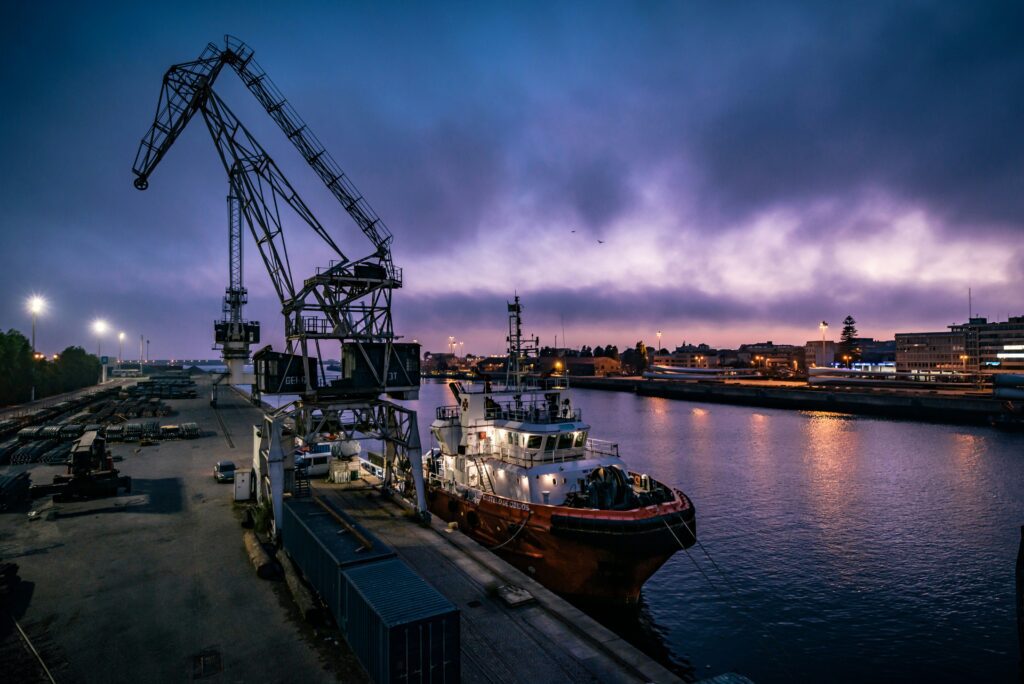
Singapore is home to one of the busiest ports in the world, connecting thousands of vessels across international waters every single day. Behind that impressive movement of goods, items, and people lies an equally critical layer of safety, marine fire protection. Every ship, offshore platform, and support vessel must carry firefighting systems that are not only effective but also approved under the right international standards.
Is This the Future of Fire Protection System?
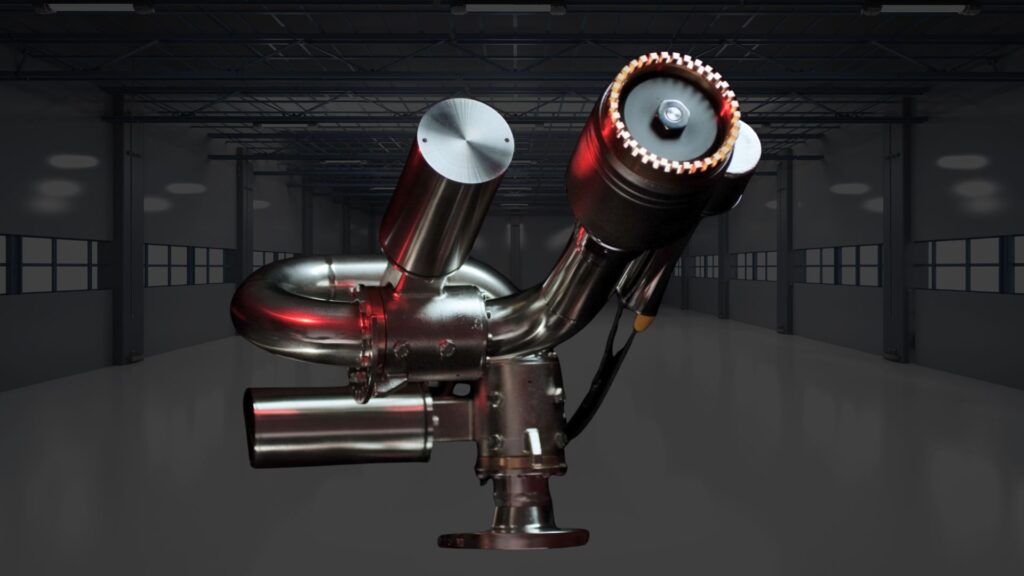
Firefighters are often taught that fire protection on land is about containment, while in the marine world it’s about extinguishing early. But at its core, the goal has always been the same, to stop the fire before it grows. The challenge, however, lies in timing. Humans tend to react only after a fire has been spotted or triggered an alarm, and by then, valuable seconds are already lost and the fire might have grown significantly.
Are All Fire Extinguishers The Same?
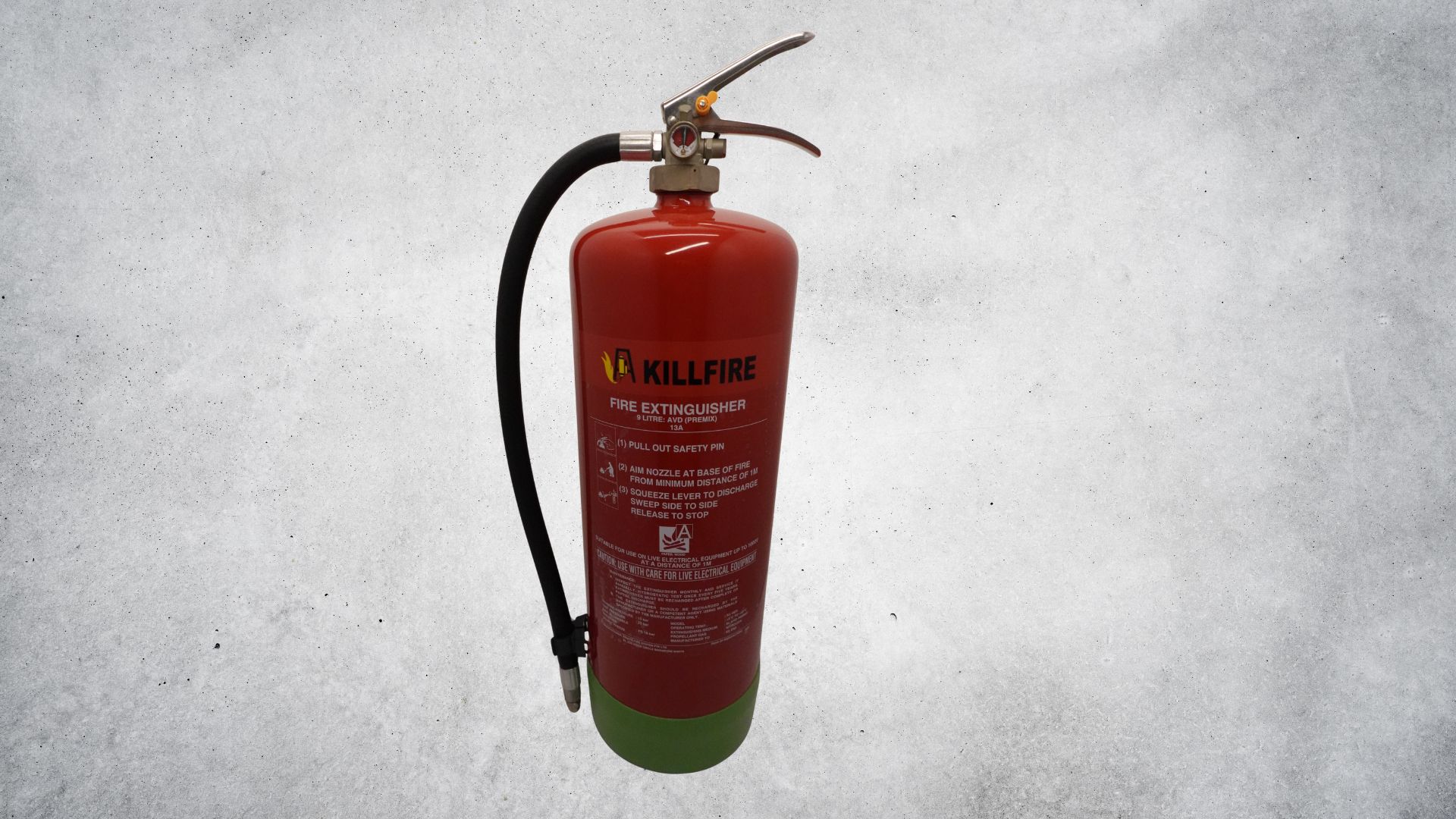
Did you know that marine and fire extinguishers on land are significantly different? At first glance, they may look almost identical, you’ll see the same red cylinder, same nozzle, same pull pin. But on the inside, they’re designed very differently to meet the unique challenges of their environments.